Loomis Businesses Using a Citrus Heights Broker for Construction and Cannabis

Loomis Businesses Using a Citrus Heights Broker for Construction and Cannabis

Loomis is close enough to Sacramento that contractors and licensed cannabis operators here get treated like metro accounts — same certificate demands, same carrier appetite, same audits — without always having a specialty brokerage on Main Street. Lions & Coventry Insurance Services sits a short drive south at 7816 Uplands Way, Ste C in Citrus Heights. We place construction and cannabis with markets that actually write those classes.

This is a local note, not a new storefront. One license, one phone number, the same A-rated carriers we use for the rest of south Placer and Sacramento County. If you searched for a Loomis insurance agency that understands jobsite certificates and cannabis occupancy, this is that relationship. Bookmark insurance in Loomis, CA for the standing overview; the rest of this post is how those accounts actually work with a Citrus Heights broker.

Why Loomis accounts do not need a different brand of policy

Carriers underwrite the work and the location, not the town slogan. A Loomis GC remodeling a home off Horseshoe Bar Road and a Sacramento GC on a midtown tenant improvement are in the same construction marketplace. A licensed retailer or manufacturer with a Placer County footprint is still a California cannabis account with DCC licenses, landlord certificates, and product exposure. What changes locally is logistics: you can sit down in Citrus Heights, send a subcontract exhibit the same afternoon, and get a certificate without waiting on a coastal call center.

Loomis, Granite Bay, Penryn, Newcastle, and the rest of south Placer feed the same labor pool and the same GCs. If your crew works both sides of the county line, the policy should say so. We write the locations and the radius of operations so a job in Roseville or Folsom is not a surprise at audit.

Construction from Loomis: certificates first, program underneath

Construction clients in this corridor are usually specialty trades or smaller GCs. The pressure point is the same as elsewhere in the metro: a GC wants additional insured, primary/noncontributory, and a workers comp certificate before you unload. We keep tools and inland marine in the conversation because equipment leaves the truck on almost every residential job, and commercial auto because crew vehicles are not personal auto.

Class codes still matter when half the year is residential remodel and the other half is commercial work in Rocklin. Tell us the mix. A Loomis shop that also does a little owner-builder work is a different application than a pure subcontracting electrician. We would rather rebuild the application once than fight an audit after the jobs have closed.

Cannabis from Loomis: licensed operations, not a gray-market package

Cannabis accounts we see from the Loomis area tend to be licensed operators with ties to Sacramento or the foothills — cultivation, distribution, or retail — not unlicensed activity. Standard commercial packages exclude cannabis. Landlords still want GL certificates. Product, crop or cultivation, and workers compensation still have to match the licenses. Distance from Citrus Heights does not change that; it only changes who you call when a distributor wants an updated additional insured overnight.

If you are still licensing, bring the license types, the address, and any lease insurance exhibit. We cannot bind coverage that contradicts how you operate, and we will not pretend a restaurant businessowners policy covers a licensed cannabis occupancy.

Independent brokerage, not a single-carrier storefront

A captive agent sells one company’s appetite. Construction and cannabis both sit in classes where that appetite turns on and off. As an independent brokerage we shop more than one A-rated market. That is the practical reason Loomis owners drive to Citrus Heights or just call: if one carrier will not write completed-operations additional insured the way a GC specified, we try another. If a cannabis product form is available and a cultivation form is not, we say so instead of issuing a certificate that cannot be backed up.

We also write the rest of the household and the commercial package when you want those next to the specialty account — shopowners, landlords, home, auto, umbrella. That is convenience, not a requirement. The specialty lines are why most construction and cannabis clients start with us.

Loomis construction and cannabis brokerage FAQ

These answers are brokerage guidance for Loomis and south Placer construction and licensed cannabis accounts, not legal advice. Coverage, eligibility, terms, and pricing depend on the submitted risk and underwriting; we do not promise a rank, carrier, or premium before review.

Why would a Loomis contractor or cannabis operator use a Citrus Heights insurance agency?

Specialty construction and cannabis placements rarely sit on every Main Street storefront in Loomis. Lions & Coventry works those classes from our licensed Citrus Heights office a short drive south, with the same certificate and underwriting path Sacramento-metro accounts already use. Start at our Loomis insurance lander, then call (916) 967-7715. California license #0G22084.

What construction coverages and COI help do you place for Loomis GCs and trades?

We help with contractor general liability, commercial packages, and the certificate workflow that keeps Loomis and Sacramento-metro jobs moving — including additional-insured requests when the bound policy and endorsements support them. See our construction insurance hub and the California contractors COI and additional-insured checklist. Bring entity details, operations, payroll if workers compensation is in scope, and any sample insurance exhibit.

Can you insure licensed cannabis businesses operating near Loomis?

Yes, when the operator holds the required California license and the premises, entity, and operations fit available markets. We review DCC-licensed cultivators, manufacturers, distributors, retailers, and related operations for product, property, liability, and related placements. See our marijuana insurance hub for the California cannabis path. This is brokerage guidance, not a guarantee of eligibility or premium.

How do I request a certificate of insurance for a Loomis jobsite or cannabis premise?

Call (916) 967-7715 or use the contact form. Include the named insured, certificate holder or additional-insured legal name and address, job or premise address, required limits, exact wording or endorsement language, and the deadline. Our COI checklist lists what certificate desks usually need. Certificate requests are subject to the bound policy and endorsement terms.

Are you an independent brokerage or a single-carrier Loomis storefront?

Independent. We shop admitted and surplus markets for construction and cannabis programs rather than locking every account to one brand. Personal lines (home, auto, umbrella) can sit next to a commercial account when it makes sense — convenience, not a requirement. Call (916) 967-7715 or reach us via contact. License #0G22084. No carrier rank or premium promise before underwriting.

How to work with us from Loomis

Call (916) 967-7715. Monday–Friday 9am–5pm. 7816 Uplands Way, Ste C, Citrus Heights, CA 95610. California license #0G22084. Send licenses, operations, payroll or receipts, and any certificate wording you have already been asked to meet. Or start on our contact form. We are not a Loomis town office — we are the Citrus Heights brokerage that already places these classes, picks up the phone, and puts the right form behind the certificate.

How Contractors Get Hung Up on Certificates, Additional Insured, and Class Codes

How Contractors Get Hung Up on Certificates, Additional Insured, and Class Codes

Most contractors do not lose a bid because they have “no insurance.” They lose it on a Friday afternoon when the general contractor rejects a certificate, the additional insured endorsement does not match the subcontract, or a workers compensation class code does not match the work on site. Those three issues — certificates, additional insured, and class codes — are where jobs stall and audits get expensive. This guide is for contractors nationwide; Sacramento metro examples below are local illustrations, not the scope limit.

Lions & Coventry Insurance Services is an independent brokerage at 7816 Uplands Way, Ste C in Citrus Heights, California. We place construction insurance for contractors and trades nationwide. Sacramento, Loomis, Roseville, Folsom, and Citrus Heights are home-base examples. This is a field guide to the paperwork that holds up payment, not a policy catalog and not legal advice.

Certificates are evidence, not coverage

A certificate of insurance is a snapshot. It tells the holder that a policy existed on a date, with named insureds, limits, and (if we add them) additional insureds. It does not amend the policy. If the subcontract requires primary and noncontributory additional insured status for ongoing and completed operations, that wording has to live on an endorsement, not in a remark on the certificate.

GCs, school districts, public works, and commercial owners are used to seeing additional insured, waiver of subrogation, and notice language. When a certificate goes out without matching endorsements, the reviewer sends it back while your crew waits to mobilize. We issue certificates from Citrus Heights for that reason: a same-day cert problem is cash flow, not a ticket in a national call center. If you are still shopping the program behind the paper, start with our construction insurance overview.

Additional insured is where the subcontract and the policy meet

Additional insured requests come in flavors: ongoing versus completed operations, automatic by written contract versus a scheduled name, primary and noncontributory versus excess, blanket versus per-project. A residential remodel GC and a downtown tenant-improvement GC will not send the same exhibit.

Two mistakes show up constantly. The contractor buys a cheap GL form that only grants additional insured to the extent required by written contract, then signs a subcontract that requires more than the form will give. Or someone types “additional insured” into the certificate description of operations without the endorsement existing at all. Both produce a rejected cert. Tell us who is asking and send the insurance exhibit. We would rather price the right form up front than explain why a $1 million GL policy still failed a $50,000 job.

Class codes decide premium — and the audit

Workers compensation in California is rated by class code and payroll. Carpentry, electrical, concrete, excavation, and clerical office are not interchangeable. General liability uses classification too: residential versus commercial, new work versus remodeling, and how much is subcontracted.

Contractors get hung up in two directions. They under-classify to keep the rate down, then the audit reclassifies a year of payroll into a higher code after the jobs are closed. Or they dump everything into “construction” and pay for work they do not do. A painter who occasionally frames is not the same risk as a framer who occasionally paints. Keep a simple job log — type of work, payroll, and whether subs brought their own coverage. If your mix is changing mid-year, say so. Class codes are not set-and-forget.

What “hung up” looks like in practice

A specialty trade signs a subcontract on Wednesday. Thursday the GC wants additional insured including completed operations, a waiver, and workers comp with the GC as certificate holder. The current GL is a businessowners policy written for a shop, not a contractors form. We can sometimes move markets quickly. We cannot invent an endorsement a carrier does not offer. Describe the real work before the first bid, not after the first rejected cert. Public work and larger commercial jobs add higher limits and less patience; the issues are still proof, endorsement, and classification.

contractor certificates FAQ

These answers are brokerage guidance for contractors, not legal advice. Coverage, endorsements, eligibility, and pricing depend on the submitted risk and underwriting; we do not promise a rank, carrier, or premium before review.

Why do GCs reject contractor certificates of insurance?

Most rejections are wording and endorsement problems, not a blank policy. The certificate may show limits while the additional insured, primary and noncontributory, waiver of subrogation, or completed-operations language does not match the subcontract. Start with our construction insurance hub and the California contractors COI and additional-insured checklist, then send the insurance exhibit before the job start. This is brokerage guidance, not legal advice.

What should I send when I need a COI or additional-insured endorsement for a Sacramento job?

Send the named insured exact legal name, certificate holder or additional-insured legal name and address, jobsite address or nearby cities (Citrus Heights, Loomis, Roseville, Elk Grove), required limits, the exact endorsement wording from the subcontract, and the deadline. Call (916) 967-7715 or use the contact form. Our COI checklist lists what certificate desks usually need. Certificate requests are subject to the bound policy and available endorsements.

Is additional insured the same as naming a GC as certificate holder?

No. Listing a general contractor as certificate holder is evidence only. Additional insured status generally requires a policy endorsement that matches the contract. Completed operations, primary and noncontributory, and waiver requests are separate checks. See Construction insurance and the COI checklist before you bid. We explain what the market can support; we do not invent wording a carrier does not offer.

How do workers compensation class codes hang up contractor certificates and audits?

Wrong class codes stall certificates when the GC or owner wants payroll descriptions that match the trade on site, and they inflate audits when under-classified payroll is reclassed later. Carpentry, electrical, concrete, excavation, and clerical are not interchangeable. Bring a short job log of work type, payroll, and whether subs carry their own coverage. Review placement options on our construction insurance page, then call (916) 967-7715. License #0G22084.

Can Lions & Coventry help Sacramento, Citrus Heights, and Loomis contractors before the cert deadline?

Yes. We place contractor general liability and related commercial coverages from our Citrus Heights office and help California and Loomis trades straighten certificate and additional-insured requests when the policy supports them. Call (916) 967-7715, use contact, or start at construction insurance. California license #0G22084. Guidance only; no premium or carrier promise before underwriting.

Call before the certificate is due

If a GC is holding payment or a start date over a certificate, call Lions & Coventry at (916) 967-7715. Office: 7816 Uplands Way, Ste C, Citrus Heights, CA 95610. License #0G22084. Monday–Friday 9am–5pm. Send the subcontract insurance exhibit, current certificates, and a short description of trade and payroll. We will tell you whether the existing program can support the wording or whether we need to restructure first. You can also use our contact page.

What Licensed California Cannabis Operators Actually Need to Insure

What Licensed California Cannabis Operators Actually Need to Insure

A California cannabis license is not an insurance policy. The Department of Cannabis Control cares that you are licensed. Your landlord, distributor, and bank care that a carrier will actually pay if someone is hurt, a product is alleged to have caused injury, or a grow room goes down. Those are different questions, which is why a licensed operator usually needs more than a generic commercial package.

Lions & Coventry Insurance Services is an independent brokerage in Citrus Heights. We place coverage for cultivators, manufacturers, distributors, retailers, and testing labs. This is a practical walk-through of the four lines that show up on almost every application: general liability, product liability, crop/cultivation, and workers compensation. It is brokerage guidance, not legal advice. Your program has to match the licenses, premises, and payroll you have today.

General liability is the certificate most people ask for first

General liability responds to third-party bodily injury and property damage from your premises and operations — a slip in the dispensary, an injury in a parking lot you control, a loading-dock claim from a delivery partner. Landlords and permitting desks almost always want a certificate naming them additional insured, often with primary and noncontributory wording.

Standard GL forms written for restaurants or ordinary retail commonly exclude cannabis. The wrong form can leave you with a certificate that looks fine and a claim that is denied. We shop markets that actually write California cannabis occupancy and we read the exclusions before we bind. For how we place this class statewide, see cannabis insurance in California.

Product liability sits next to GL, not inside it

If a finished good — flower, edible, concentrate, vape, or topical — is alleged to have caused injury or property damage after it left your control, you are in product territory. Manufacturers feel this first, but retailers and distributors get pulled into the same suits. Carriers want a clear picture of what you make or sell, how you test and label, and where product is stored.

Limits on product are often higher than the GL limit on the same account. If you private-label, white-label, or co-pack, say so on the application. Silence is how operators end up with a gap between “we sell it” and “we made it.” Our cannabis business insurance page lists product liability alongside the other lines we place for this industry.

Crop and cultivation coverage is not building insurance

Cultivators live with plants, mother stock, clones, drying rooms, HVAC, lighting, and theft. A building policy may cover the structure and some equipment. It often does not treat living plants or harvested biomass the way a cultivation form does. Indoor versus outdoor, greenhouse versus warehouse, and nursery versus mixed-light all change the underwriting. Carriers ask about water, security, fire protection, and canopy. If you add a flower room mid-term, tell us — last year’s square footage will not cover it.

Workers compensation is not optional because the crew is “family”

California workers compensation is a payroll and class-code product. Cultivation, extraction, retail, and delivery do not share one class, and misclassifying people as independent contractors is a common audit problem. If someone is injured on site, the state does not care that they were “just helping with trim.” Honest payroll estimates matter: underreporting to save premium is how audits become large bills and how a hard-to-place account gets non-renewed. Add a second license type and the classes change. Call before the hire, not after the injury.

How these four lines work together

Operators sometimes buy GL because a landlord demanded a certificate, then discover at a claim that product, crop, and payroll were never addressed. Map licenses and locations, bind the lines that match those operations, then issue certificates from that program. Excess, property, stock, equipment breakdown, auto, and directors and officers often come next; they sit on top of the four lines above rather than replacing them.

Because we are independent, we are not locked to one cannabis market. That matters when a carrier will write retail but not extraction, or when a cultivation form is available and a product form is not. We would rather tell you what we cannot place than paper over a gap.

California cannabis insurance FAQ

Short answers operators ask before they call. Brokerage guidance for licensed California cannabis businesses — not legal advice. Confirm current Department of Cannabis Control rules and your lease, bank, and distributor requirements.

Is insurance required to get a California marijuana dispensary license?

A DCC license and an insurance policy answer different questions. The Department of Cannabis Control focuses on licensing and compliance. Landlords, distributors, banks, and many local permitting desks usually require certificates of insurance before you can open or keep operating. Treat insurance as part of opening readiness, not as a substitute for the license itself. For a readiness checklist, see our California cannabis DCC insurance checklist.

What insurance do California cannabis operators usually need?

Most licensed operators end up placing some mix of cannabis general liability, product liability, property or cultivation coverage where plants and stock are at risk, and cannabis workers compensation when there is payroll. Standard restaurant or retail forms often exclude cannabis, so the market and the exclusions matter as much as the line name. Our statewide overview is on California cannabis insurance.

How do cannabis insurance claims work in California?

Report a claim promptly to the carrier (or through us if we placed the policy), preserve evidence, and avoid admitting liability before the adjuster has facts. Coverage turns on the form that was bound — a premises slip, a product allegation after sale, crop or stock damage, or a workplace injury can land on different policies. Wrong occupancy wording or a silent cannabis exclusion is a common reason a certificate looked fine and a claim did not. Call (916) 967-7715 with the policy number and what happened; we coordinate with the market that wrote the risk.

Do Sacramento and Citrus Heights cannabis businesses get local help?

Yes. Lions & Coventry Insurance Services is an independent brokerage at 7816 Uplands Way, Ste C, Citrus Heights, CA 95610 (License #0G22084). We place coverage for cultivators, manufacturers, distributors, retailers, and labs across California, including Sacramento-area operators. Bring licenses, locations, payroll, and any certificate wording your landlord or distributor already sent.

Is general liability enough, or do I also need product liability?

General liability is usually the certificate landlords ask for first — third-party bodily injury and property damage from premises and operations. Product liability sits beside it when flower, edibles, concentrates, vapes, or topicals are alleged to have caused injury after they left your control. Retailers and distributors get pulled into product suits even when they did not manufacture the item. If you private-label or co-pack, say so on the application.


Talk to a California cannabis broker

Licensing up, renewing, or moving? Call Lions & Coventry at (916) 967-7715. Office: 7816 Uplands Way, Ste C, Citrus Heights, CA 95610. License #0G22084. Monday–Friday 9am–5pm. Or use our contact form. Bring licenses, operations, payroll, and any certificate wording your landlord or distributor already sent. We will tell you what we can place and what still needs work.

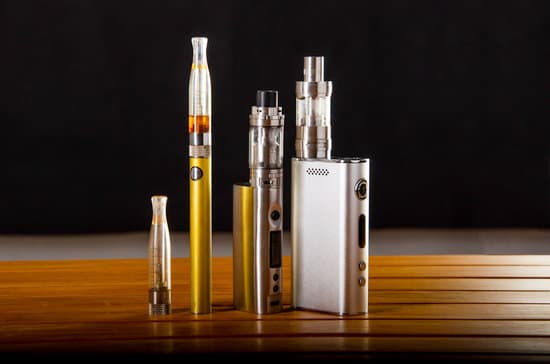
Does Your Policy Provide Vape Insurance Coverage?

Does Your Policy Provide Vape Insurance Coverage?

The Deal With Vaping

Vaping is a hot topic in the news currently, and everyone is talking about how vaping is negatively impacting health. But are people talking about what vaping means for cannabis insurance holders? If you own a dispensary or smoke shop that carries vape pens, then it is important that you are staying on top of the news.

It is no question that the sales and popularity of vape pens is continuing to rise.

It is no question that the sales and popularity of vape pens is continuing to rise. The popularity of vaping has skyrocketed in the past few years, and as a result the expose for cannabis businesses has been immense as well. 

However, the reason vaping has been on the news is because of vaping-related lung disease. Recently, there have been 6 deaths and 380 confirmed and probable cases of vaping-related lung illnesses in 36 states. What does this mean for your cannabis business? Well, you start better start reading the fine print of your insurance policy.

In fact, according to Cannabis Business Times , Nicole Howell Neubert, attorney-at-law at Clark Neubert, says that anyone involved in the legal marketplace should be taking a temperature check on every contract and every product that’s passing through his or her business. 

“To mitigate potential risk, all operators in the supply chain should take a look  at their production, distribution chains, testing, and insurance coverage. And discuss with their attorneys in view of the state law in their jurisdiction,” Neubert says. “Proving a products liability case is based on many factors. But it’s important to know that anyone in the supply chain can be brought in as a defendant regardless of whether the retailer sold the specific product or not.”  

In other words, anyone involved in the supply chain of these vape products can get pulled into a product liability lawsuit and be held, to some degree, responsible. Even if you are not held liable in the event of a claim, you and your business could incur significant defense costs.

This is messy and you want to avoid it at all costs.

So what do you do now? 

You make sure your insurance policy includes vape insurance coverage. 

For those of you wondering what exactly it is that makes vaping so dangerous, we have the information on that for you. The proposed prohibitions in ingredients used in marijuana concentrates or products intended for inhalation include:Make sure your insurance policy includes vape insurance coverage.


THC oil, in its natural form, is too thick to be atomized or vaporized. These additives are sometimes used as thinning agents to cut the oil and make it possible for vaporization and inhalation. While the research is still in its infancy, multiple studies have shown the polyethylene glycol breaks down into carcinogens when vaped at high temperatures.

Cannabis Coverage Company Logo

At Lions and Coventry Insurance Services, we have partnered with The Cannabis Coverage Company, we offer a wide variety of tools to our customers to help them navigate the tricky insurance world. Our highly trained insurance agents can help you find a policy that has vape insurance coverage to protect your cannabis business. We will review your policy and/or provide a product liability quote. 

What to Take Away

If you are a seller of vape pens, then it is time to reevaluate your insurance policy. Read the fine print, and make sure that your product liability covers you in the case of a lawsuit involving vapes and carcinogens. 

3 Things to Know When Purchasing Insurance

Does your insurance policy give you proper coverage?

Did you know that just because you have a basic insurance policy, you are not necessarily covered? Often times, when people go shopping for insurance they think that all of the policies are in essence the same. This myth is very dangerous because insurance policies differ a lot by their exclusions and what they will and will not actually cover. Today we are going to teach you what to watch out for and what to know when buying an insurance policy so you do not run into the issue of not being adequately covered.

Also, when most people go shopping for insurance, they find themselves looking for the cheapest rate and the cheapest rate only. This may sound obvious, but it is important to remember the reason you are buying insurance: to be protected. This is not to say that the best insurance is the most expensive by any means, however, when looking at a policy it is vital to look past the price tag and to see what exactly you are paying for. In this article we are going to teach you what to consider when buying insurance best for you and your business while also not breaking your bank.

1. Meeting the State Requirements Is Not the Only Priority

Whether your business is construction, farming, cannabis / hemp, or something in between, the state that you operate in has requirements as to what coverages you need to have. In fact, each state has its own legal minimum insurance requirements depending on what type of business you own. And the sort of insurances required range from professional liability to auto to workers compensation. In other words, your insurance policy has to fit at least minimum criteria set by the state. However, what most people fail to realize is that the minimum requirements is not all that your business needs to be protected. When shopping for a policy you should look for policies that have more coverage than only what is required by the state because it is important for a successful business to have insurance that is comprehensive and inclusive.

At the end of the day, going to the extra mile with your insurance policy will pay off in that you will have peace of mind that your business is protected from a variety of claims, and not just the basics. Your business is important, and it should be treated like the asset that it is.

2. Read the Fine Print

Insurance policies can be difficult to navigate and understand at times. There is a lot of writing and legal terms that can be very overwhelming to customers. Insurance policies include a lot of information to read and comprehend, as well as important details to note. You might even find yourself skimming policies at times just to get the “jist” of it. This is a huge mistake that you need to stop making right now. The fine print is the most important area in your policy to understand and be aware of. Why you might ask? The fine print is where all of the exclusions or limitations of your policy are listed. It is important to understand what your policy excludes, because often times your policy will have exclusions that you actually need covered! Let us explain.

You own a contracting business, and you need to obtain Contractors Equipment Insurance. When shopping for a policy, you find one with a decent price and the basic necessities so you choose to buy. However, when you read the fine print, you find that the equipment insurance excludes your equipment being stolen, or it doesn’t cover equipment over a certain price point. Both of these exclusions are things that you would want an equipment insurance policy to cover. It would not make sense for your contracting business not have equipment insurance that covers your most expensive equipment, or in the case that it is possibly stolen. If you hadn’t read the fine print, you may not have seen these exclusions and you would have been bound to a policy that has you under protected.

Exclusions that go against the nature of the insurance policy are more common than you may think, and that is why it is so extremely important to read the fine print with an insurance specialist and to check that the exclusions on the policy don’t go against any of the coverages that you want. This goes for all types of insurance policies as well. We said it before and we will say it again, insurance is all about protection! So take extra precaution with the fine print.

3. Buy A Policy For Protection and Not Just Licensing Purposes

(This tip is similar to that of #1.) When owning a business, there are often licenses you may need or want, all depending on what field you are in. Obtaining insurance is generally one of the top requirements when in the process of trying to get a license. A lot of the time people that are looking to obtain a license as soon as possible are trying to get insurance for the sole purpose of satisfying the requirements that of the state. Use this requirement to your advantage, and put time into getting an insurance policy with all of your desired coverages for a price that you can afford. The Cannabis Coverage Company insurance specialists say that, “Insurance is for the protection of your business and yourself, so you should get a policy that offers adequate coverage in order to do so. With so many people in a hurry to get their licenses approved, they often skip getting the proper insurance just so they can move along the process faster. Take the time and slow down for this step. It is important.”

At the end of the day, when you do obtain your business license and you are operating, you will want to have a comprehensive insurance policy that protects your business from possible claims. If your business is to run into a legal issue and you don’t have the proper insurance coverage, you will regret it and your business will take the hit. Don’t let this happen to you! It always better to more protected than less.

Understanding Your Policy

Insurance is a tricky topic for some, and when it comes to commercial and business insurances it becomes increasingly harder to navigate. It is for this reason that it is so important to have an agency behind you that takes care of you and has YOUR best interests at heart. At Lions & Coventry Insurance Services, we understand that you want what is important to you to be protected. Our highly trained insurance specialists are able to help you go through your needs and pair you with a policy that has all of the coverages you need, without the unnecessary additions or those pesky exclusions. For more information on finding the right coverage for you and your business, call us today!

Does my Contractors Insurance Cover my Tools?

Does my Contractors Insurance Cover my Tools?

A lot of contractors call our office asking if their contractor’s insurance policy covers their tools.


They think, of course, that it must. What insurance policy wouldn’t cover one of the most important and useful aspects of your business? As a contractor, without your tools you cannot perform the work you are doing!


We educate our clients on what their policy covers, and they know the answer to this question when they get their policy.


Other insured’s, who work with different agencies, might not know the answer to this question. We have seen in many cases this gap in coverage not disclosed to contractors in an effort to get them the cheapest policy possible. Or maybe it was mentioned, but not in a way to understandably expose the significant risk. This is because most Business Owners Policies (BOP) or Commercial Package Policies (CPP) will cover property that is housed at a specific business location, but does not always include the equipment and tools that travel with employees to be used at job sites.

So, how can you cover your tools with your insurance policy?


Inland Marine Insurance is a policy that, in its simplest form, covers equipment in transit. It is often purchased by companies that do freight shipping for a living, but is sometimes overlooked by those who travel with equipment as a part of their job.


If you’re not concerned with the replacement cost of your hammer, drills, or nails, consider the cost of the equipment you rent. A bobcat, or tractor, is a good example as these are commonly used by contractors.  It is always an option to purchase insurance directly from the rental facility, but if you have your own policy in place (you can set specific limits on the rental coverage), and you rent this equipment regularly, you can save hundreds of dollars on insurance coverage costs.


And it isn’t just limited to contractors!


Say you repair computers, and you go pick up these computers from your customer’s houses – Inland marine can protect this equipment while it is in transit and in many cases while it is in your warehouse or repair shop.


When it comes to contractors, there are additional inland marine specialty policies you may want to consider. One example is Builder’s Risk. This type of coverage will protect materials and structures during new construction projects or renovations. An Installation Floater is another example of an inland marine specialty policy that may be a good policy to consider as well, as it will cover materials from the moment they are loaded into a truck until they are either installed or put to intended use.


Regardless, when it comes to your tools and your trade, have your insurance evaluated by a professional who understands your business. They can advise you on how to mitigate risks and find the policy that is best for you. Our experts are happy to help you at our office – simply give us a call at (916) 967-7715 for a free evaluation.

Lions & Coventry writes contractors insurance for licensed contractors and trades nationwide.

Recreational Cannabis Business Insurance

Recreational Cannabis Business Insurance

As of 2019, 11 states have legalized recreational cannabis use – Alaska, California, Colorado, Illinois, Maine, Massachusetts, Michigan, Nevada, Oregon, Vermont, and Washington.

While each of these states has their own unique framework for cannabis regulation, one thing is certain – they all need to have the right recreational cannabis business insurance coverage.

What policies are available for recreational cannabis business insurance?

Cannabis businesses face significant risk and obstacles. Some we would like to highlight for you are Theft, General Liability, and Product Liability.

Theft has been gaining attention in the cannabis industry, regardless of strict security requirements for recreational cannabis businesses. In California, Sacramento City officials asked commercial businesses to review their security protocols last January, after seeing a surge in cannabis business thefts in distribution centers. With banking solutions not quite in place, businesses hold a lot of cash, which make them prime targets for robberies. Adequate theft insurance coverage can protect from losses from burglary and robberies, helping you get back on your feet after an unfortunate event.

General Liability risks in a recreational cannabis business are similar to those of other manufacturing or agricultural businesses. Crop Failure, workplace accidents, property damage, and more are all common scenarios any of these businesses can face – and need to have a policy in place for. Depending on the type of recreational business you have, you may want to consider additional coverage for risk exposures you may face (A competent cannabis insurance expert can help you identify potential risks, call our office for a free consultation to find out what risks you may want to consider).

Product Liability is important for medical cannabis businesses, and especially important for recreational establishments. Ingestible products are gaining in popularity, as well as the risk of safety recalls. THC, a main compound in marijuana, has a psychoactive effect and if products are misrepresented, mislabeled, or harm an individual it is opening up a business for litigation.

Some states don’t require all these insurance products for your business, but we still highly recommend them. Watch your recreational cannabis business insurance policy closely as well – many insurance companies purposely exclude protection for Schedule 1 substances, which in the event of a claim would nullify your protection.

That being said, there are some companies that are working intimately with the cannabis industry to ensure that the unique hazards in this emerging industry are understood and accounted for in insurance policies. We at Lions and Coventry Insurance Services have taken time to build relationships with these companies to help advise them on what clients need. We take your protection seriously, and invite you to give our office a call for a free review of your policy – We will make sure everything you need is covered, and if not, offer solutions for you. Contact our office with any questions you may have, we would be happy to help!


Operating in California? See our guide to cannabis insurance for California licensees.

CBD vs THC Insurance    

CBD vs THC Insurance

Update — October 19, 2026: Federal hemp rules are changing. Starting November 12, 2026, hemp-derived products containing cannabinoids that a cannabis plant cannot naturally produce (synthetic cannabinoids) fall outside the federal definition of hemp. On December 11, 2026, a total-THC standard, a 0.4 mg total-THC-per-container cap, and the exclusion of cannabinoids synthesized outside the plant (such as delta-8 converted from CBD) take effect. Earlier versions of this page said hemp businesses have no insurance requirements. That framing is out of date: even where no statute requires a policy, retailers, distributors, landlords, and lenders routinely require coverage, and the federal change raises new policy-exclusion questions for hemp and CBD products. See Federal Hemp Ban: What Happens to Your Insurance. General information, not legal advice.

Insurance is essential for every business, regardless of whether you are in the legal cannabis (THC) industry or industrial hemp (CBD) market.

The type of insurance you need depends on your business activities, and the risks you are exposed to. All states have specific laws in regards to insurance requirements for different business types. For example, in California, all cannabis businesses are required to have a Commercial General Liability Insurance policy with a minimum of $1,000,000/$2,000,000 in coverage. Hemp and CBD businesses may not face the same state-mandated insurance minimums as licensed cannabis operators, but most retailers, distributors, and landlords require product liability coverage, and the 2026 federal hemp redefinition raises new coverage questions. See our federal hemp ban insurance guide.

Insurance regulations are governed by a state regulatory body and each state can set its own requirements. Each state program has their own name, such as “The California Department of Insurance” or “Office of the Insurance Commissioner” (Washington). You can look to these regulatory bodies for information on what you need for your specific business.

Some insurance is a no brainer – All commercial vehicles need to have Commercial Auto Insurance, all businesses that have employees are required to have General Liability Insurance, etc. These are not business specific. Beyond these, when we look at specifically the THC and CBD market, we need to think about what makes the business unique and what it is exposed to.

Beyond the legal requirements based on your place of business, when making insurance decisions regarding your company it is in best practice to look at what could happen financially within your business, and the loss you would retain. For example, in California Product Liability is not a requirement for Cannabis Businesses, but if someone were to get sick using your product, you could be at risk for hundreds of thousands of dollars in medical bills and damages. Whatever your state requires, a hemp or CBD business owner needs to take a good hard look at what they may need – equipment breakdown, crop coverage, and theft may be a few to consider.

Things also can change year to year, as new insurance regulations are passed. Your business may have grown this year, or new laws passed can affect your business insurance requirements for both THC and CBD based businesses. Each year you will want to review your policy to ensure that you are up to date with your coverage and there are no gaps in your insurance policy.

Overwhelmed? Its okay, we are here to help. We have specialists in our office that only work on Commercial Cannabis and Hemp Insurance, and can assist you! Give us a call at (916) 967-7715 today!


Operating in California? See our guide to cannabis insurance for California licensees.

Contractor Insurance – Risk mitigation is a savvy business move!

Contractor Insurance

There are tons of benefits as a contractor. You have a higher earning potential, you get to choose your own assignments, hours and locations. You call the shots. Since you are your own boss, there’s a lot to consider to run a successful business and one of the most overlooked aspects of being in business for yourself is preparing for the unforeseen.

Contractor insurance can protect you and your employees…

Have you heard of OSHA’s “Fatal Four?” The most common incidents that even the most cautious contractors face include 1) falling from a great height, 2) getting electrocuted, 3) getting hit by an object and 4) getting caught in or between machinery. While you may take all the safety precautions to prevent these things from happening, the reality is accidents happen. If you’re flying solo and you get hurt, your business stops. If you have hired help, a single claim and perhaps even a lawsuit will eat up precious time and hard earned revenue. Either case is not good and you can quickly find yourself in a bigger heap of trouble than you ever expected. The truth is, you have a lot more than bodily injury to worry about. Damage to property, loss/damage to equipment and tools and claims of negligence from clients are real reputation killers.

Insurance brings peace of mind to clients…and you!

While insurance isn’t exactly the most exciting thing to talk about, it’s important to understand that being thoroughly insured offers you a huge advantage.

While insurance isn’t exactly the most exciting thing to talk about, it’s important to understand that being thoroughly insured offers you a huge advantage. In the back of each clients’ mind, they are wondering, “what if something goes wrong?” Both you and the client know that something unexpected can go wrong, and if you say otherwise, you might as well have your fingers crossed behind your back. It doesn’t take much. Dropping a hammer, scraping a counter top, or a false claim of property damage that was really there all along can sink your reputation. The unexpected happens and most clients will remain pleased with your service if you can fix the problem. But, if you can’t, things can get ugly. Fast.

Where we begin…

The first step that we will take with you is to make sure that we classify your business correctly. Do you specialize in pipe fitting, framing, or are you a “one-stop shop” that can fix and build everything? This step is extremely important because if your business is misclassified, that alone can become grounds for a denied insurance claim. This is the last thing you want when an accident happens, or when your last client is blaming you for damage you aren’t responsible for. Your reputation is what gets you business and if you can’t maneuver when the unexpected incident surfaces, you’re sunk. As minor of a topic as this might seem, it is extremely important that you are speaking with an agent who understands the business of being a contractor because if you are classified as an “exterior/interior painter” and your business would better be categorized as a “handyman” service, you may find yourself without the coverage you were relying on.

Determining Best Contractor Insurance Options

Do you have protective Contractors Insurance?

Once we know about the services you provide, it’s time to figure out how these services affect your coverage. This is where specialization matters. You really need someone who understands the difference between a bolster and a boning rod. If the agent does not understand what you actually do, they will not be able to determine what coverages you need or don’t need for that matter. That’s right, we want happy clients, so if your business really doesn’t need a particular coverage, we’ll take it off the list.

How Policies Work

Contractors Insurance policies can be broken down for easy comprehension.

If you’ve been searching around for different insurance coverages you may begin to wonder, do I really need five different insurance coverages? Can’t I just get one policy that covers it all? So here’s where working with a contractor insurance specialist comes in…

A single insurance product contains both what it covers and what it doesn’t cover. Your agent has to find a different insurance product that fills in the gap of what’s not covered. While this may seem strange, it’s just how it works. We understand that you want to sit around reading insurance jargon all day long, which is one of the advantages of letting us handle all this for you. We’ll ask the right questions to get what we need and use our expert knowledge to get you taken care of… And don’t worry, we’ll make sure you’re clear on what you’re getting. Each contractor has unique exposures and it’s important to accurately pinpoint those risks in C

Coverages to Consider:

We have provided to you a quick list of some of the coverages available to you.

General Liability Insurance

Accidents are common at work sites. A toolbox could scrape a parquet floor or a child could trip over a hammer. General Liability may cover your client in these scenarios, helping them to pay for repair expenses, medical bills, or legal costs if a third party sues them.

Property Insurance

A contractor who has an office or storage facility for their equipment should consider Property Insurance. Your equipment is expensive and you absolutely need it to do your job. If anything happens to your property such as theft, fire or vandalism and you’re property and equipment are damaged or destroyed, the expenses may be too great to recover from.

Inland Marine Insurance

Inland Marine Insurance covers equipment as it travels from storage to work sites. Don’t let the “marine” part fool you…this coverage isn’t just for water transport. Collisions and cargo theft are common and this is the coverage you need in those cases.

Builder’s Risk Insurance

Builder’s Risk
 can cover a structure that’s under construction against loss or damage. For instance, if a strong wind knocks over a garage in progress, Builder’s Risk may be able to compensate the owner.

Contractor’s Insurance

Contractor’s Insurance covers “mobile equipment” such as backhoes and excavators.

Commercial Auto / Hired and Non- Owned Auto Insurance

An Inland Marine policy can protect the tools in the truck, but what about the truck? Whether they drive their personal auto, a borrowed or rented truck, or a business-owned vehicle, a handyman may need Commercial Auto or Hired and Non-Owned Auto Insurance.

Umbrella Insurance

Umbrella Insurance boosts the coverage of liability
policies by paying for damages that exceed the underlying policies’ limits. This can be especially beneficial to 
a handyman when a client requests they have more GL coverage.

License Bonds / Permit Bonds

Some municipalities require License or Permit Bonds (a kind of surety bond) before a handyman can contract to do work. It acts as a guarantee
that the handyman will fulfill their obligations and follow building codes.

If you’d like to learn more about how contractor insurance can help you, or have an existing policy that you’re not too sure about; Contact Us today and we’ll connect you with a contractor insurance specialist to help you out!

California Cannabis Surety Bond – What you need to know!

Cannabis Surety Bond – California cannabis business owners are now required to establish a surety bond and here’s what you need to know…

f your business is already up and running, it’s important for you to comply because penalties may involve significant fines or the state may even go to the extent of shutting down your business.

The Cannabis Surety Bond (some are calling it the “$5000 bond”) is required for new cannabis operations to obtain their license.  If your business is already up and running, it’s important for you to comply because penalties may involve significant fines or the state may even go to the extent of shutting down your business.  Not worth the risk.

What is it for?  The short answer.Here is what you need to know about California Cannabis Surety Bonds.

The Cannabis Surety Bond is an agreement (or guarantee) between you, the business owner, and the government.  In the event that the State incurs an expense or a cannabis business owner fails to pay sales and/or excise taxes, the State may choose to liquidate the bond in order to compensate for the loss.  This bond also acts as a “performance guarantee” for cannabis operations who are constructing new facilities to ensure satisfactory completion of the project.

California cannabis business owners are now required to establish a surety bond.

Details of the Cannabis Surety bond can be found in Section 26051.5 on the California Legislature  website as well as the Bureau of Cannabis Control.

One of the advantages to working with us here at The Cannabis Coverage Company is that we can manage all of this for you.  Laws and regulations change frequently in the cannabis industry and, unless you enjoy reading legalese, you can let us maintain your policies for you.
Contact us today if you have questions or to learn about what coverages are right for you.

Let's get started!

Here at Lions & Coventry, we will take the time to discover your needs and find you the best solution at the best rate. Contact us today!

Contact Us
Thursday, October 15, 2026 lcconstruction Blog Posts , Front Page Posts No comments
California FAIR Plan Renewals on or After Oct 15, 2026: What Commercial Owners and Builders Should Check If your California commercial property or business owner’s policy sits on the FAIR Pl...
Tuesday, October 13, 2026 lcconstruction Blog Posts , Front Page Posts No comments
Hudson Cancelled Contractor License Bonds in California. Here’s How to Keep Your License Clean. Your bond is the most boring document in your truck. Nobody frames it. Nobody brags about it....